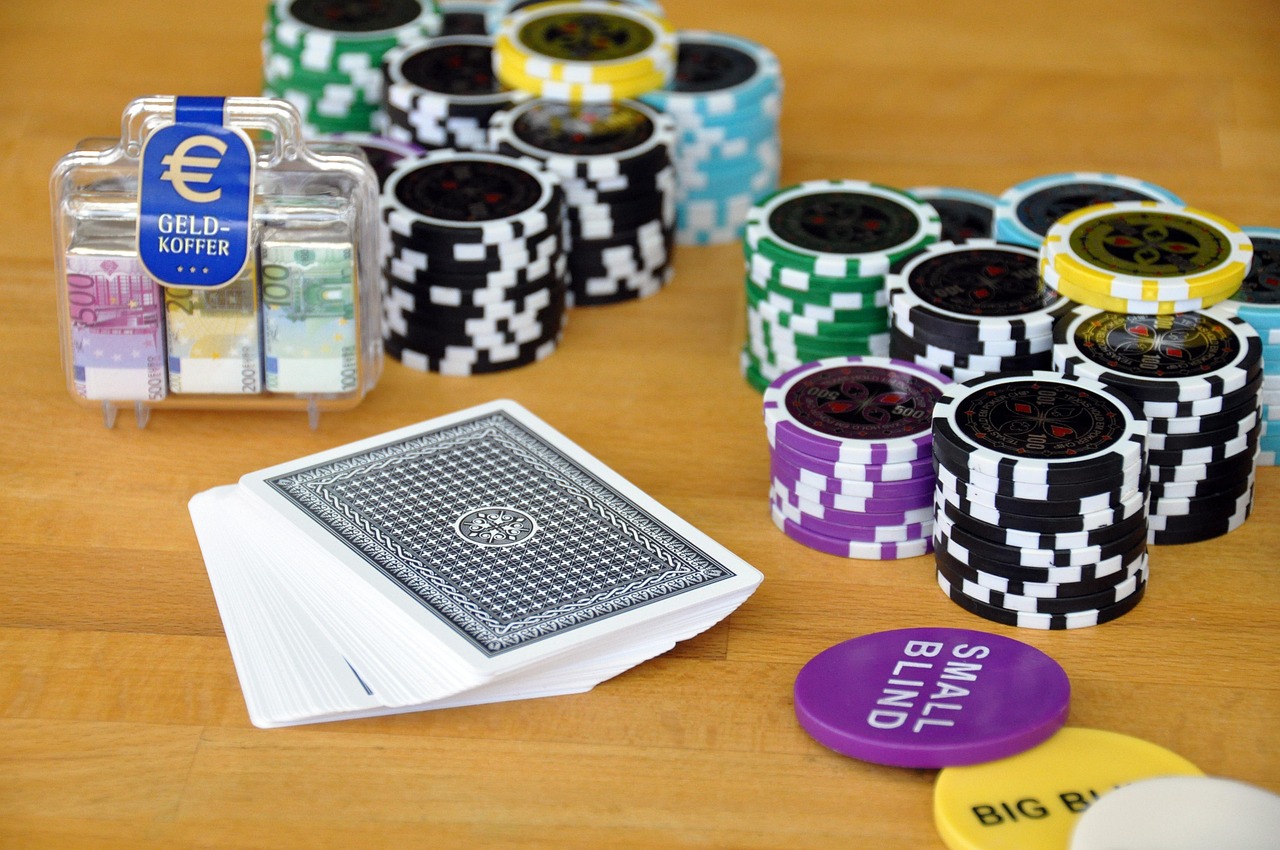
Ask ten gamblers what separates a winning session from a losing one and you'll get ten different answers. The slot player swears the machine was "due." The poker pro rolls his eyes and mutters something about variance. The sports bettor insists he just needed one more leg on his parlay. Here's the uncomfortable truth nobody puts on a banner ad: every game in the iGaming ecosystem sits somewhere on a spectrum between pure chance and pure skill, and knowing exactly where your game falls changes how you should play, bankroll, and even think about the whole enterprise.
The Skill-to-Luck Spectrum, Explained Properly
Most casual players treat gambling as one big bucket. It isn't. The games separate cleanly by how much control a player actually has over the outcome.
- Slots: essentially 100% chance. Modern video slots run on certified random number generators, and each spin is independent of every spin before it. Strategy doesn't exist beyond picking your bet size and stake.
- Roulette: almost pure chance, though savvy players understand that European wheels (single zero) carry a 2.7% house edge versus American wheels (double zero) at 5.26%. That's a math choice, not a skill play.
- Blackjack: mostly chance with a meaningful skill layer. Basic strategy can cut the house edge to roughly 0.5%, and card counting can theoretically flip it — but only with perfect execution and tolerance from the casino.
- Sports betting: a genuine skill game in the long run. Sharp bettors beat closing lines through information, modeling, and discipline — though the vig means you need to hit around 52.4% just to break even on standard -110 odds.
- Poker: the most skill-dominant mainstream game. Over thousands of hands, a strong player will consistently take money from a weak one, which is why the same names keep appearing at final tables.
That list isn't trivia. It's the map that tells you where effort actually pays off.
Why Slots Players Should Stop Chasing Strategy
Walk into any slots forum and you'll find people tracking spin patterns, hot and cold machines, and "near misses." All of it is noise. A certified RNG doesn't know that you've lost eight spins in a row — it has no memory, and the next spin's outcome is exactly as random as the first.
What does matter with slots is concrete and unglamorous: If this is new to you, slot dana is a sensible next read.
- RTP (return to player): look for games in the 96%+ range. A 94% RTP game quietly takes twice as much per hour as a 97% one.
- Volatility: high-volatility slots pay rarely but big; low-volatility pay often but small. Match volatility to your bankroll, not your mood.
- Bet sizing: max bet doesn't improve your odds, it just drains your balance faster. Set a per-spin stake you can survive 200+ spins with.
Treat slots as entertainment with a known cost, and you'll never feel cheated by a dry spell. Treat them as a puzzle to solve and you'll burn money chasing a solution that doesn't exist.
Where Poker and Sports Betting Reward Real Work
Poker is the rare casino game where the house doesn't play against you — it just takes a rake. That means your edge comes entirely from reading opponents, managing position, and controlling your emotions. A tight-aggressive player who folds marginal hands in early position will beat a loose caller over 10,000 hands almost every time. The math isn't subtle; it's just tedious to execute.
Sports betting follows a similar logic but rewards information asymmetry. The classic edge came from knowing injury news before the line moved. Today, sharp bettors lean on advanced stats, line-shopping across multiple books, and identifying soft numbers before they're corrected. A bettor who consistently gets -105 instead of -110 on the same pick gains a real, compounding advantage over a season.
Notice the pattern: in both games, the skill isn't "knowing who will win." It's process — bankroll rules, emotional control, and refusing to chase losses. The most common reason skilled players still lose? They abandon their process during a bad run.
Bankroll Management Is the Great Equalizer
Here's a piece of advice that applies whether you're spinning a slot or bluffing a river: never bet more than you can lose without changing your behavior. Sounds obvious, but the number of players who tilt after a bad beat and double their stakes is enormous.
A few concrete rules worth adopting:
- Poker: keep at least 20 buy-ins for cash games, 50+ for tournaments. That's the buffer that lets variance play out without busting you.
- Sports betting: flat-bet 1-2% of your bankroll per pick. Chasing with 10% bets on a "lock" is how accounts die.
- Slots and casino games: decide a session loss limit before you sit down, and a win target. Walk away when you hit either.
Bankroll discipline doesn't make you luckier. It keeps you in the game long enough for skill — where it exists — to actually matter.
The Psychology Trap That Costs Everyone
Cognitive biases hit gamblers harder than most people because the feedback loop is fast and emotional. The gambler's fallacy ("red is due on roulette") and the hot-hand fallacy ("I'm on a run, ride it") both feel obvious once you've named them, yet they quietly drive millions of bad decisions every day.
The most damaging bias, though, is loss aversion. We feel losses roughly twice as strongly as equivalent wins, which pushes players to chase — to make one more bet to "get even" rather than stop and accept a bad session. The pros do the opposite: they cut a losing night short without flinching and come back fresh tomorrow.
Track your sessions. Not to obsess, but to notice patterns. If you consistently lose more in the hour after a big win, that's data — and it's telling you something about your discipline, not your luck.
Playing Smart Without Fooling Yourself
iGaming is a vast, entertaining ecosystem, and there's nothing wrong with enjoying games where you have no edge. The mistake is pretending every game is a skill game, or conversely giving up on skill entirely because slots are random. Know where you sit on that spectrum. Choose games that match the edge you can actually bring. Guard your bankroll like it's a tool, not a puddle. And when you lose — because you will — accept it, log it, and move on. The players who last aren't the ones who get lucky more often. They're the ones who make luck matter less.